About Us
Meet the School-wide Team

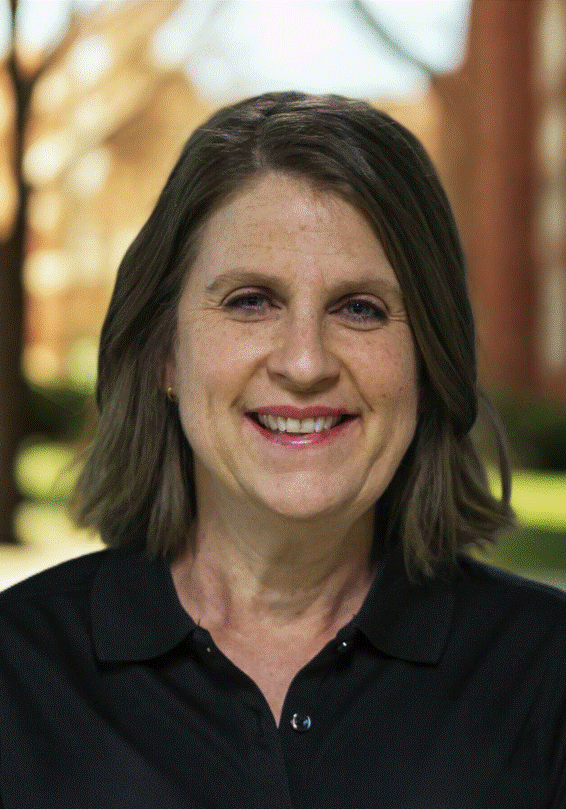
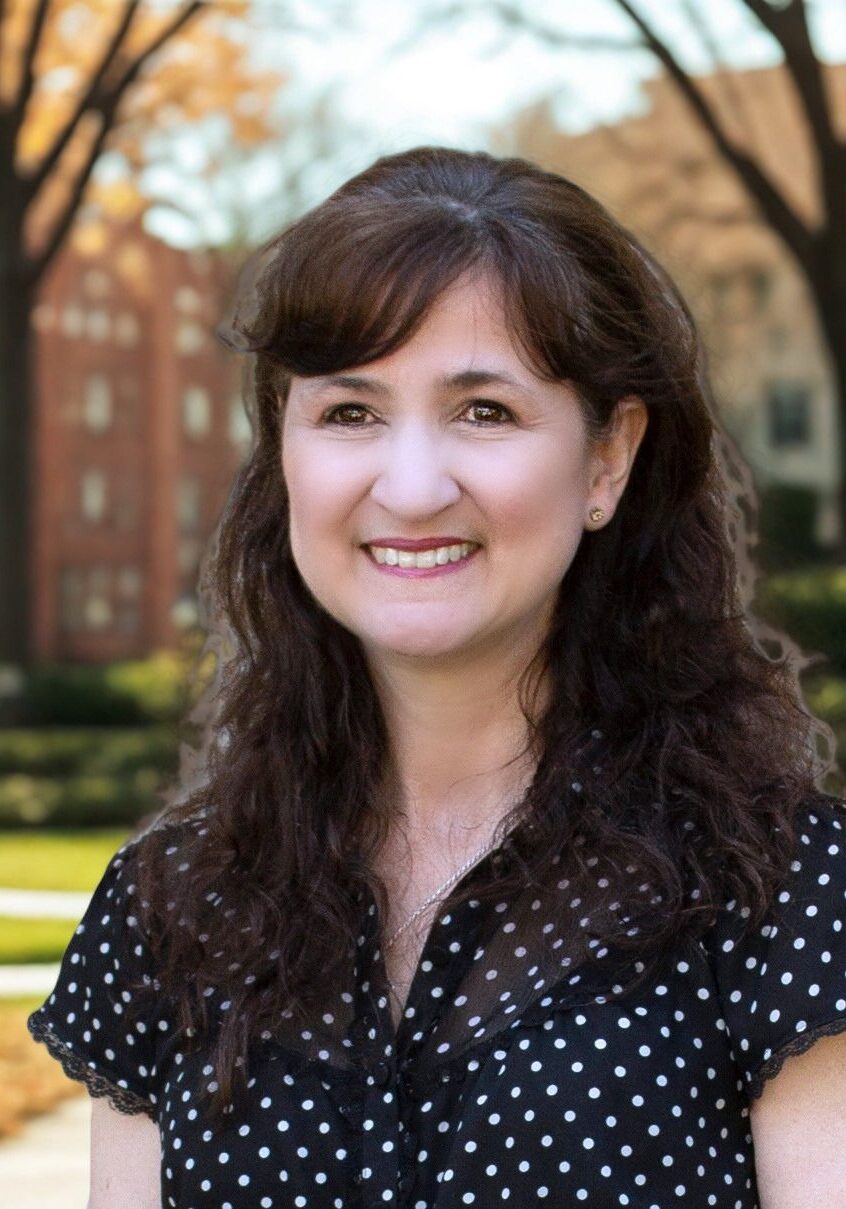
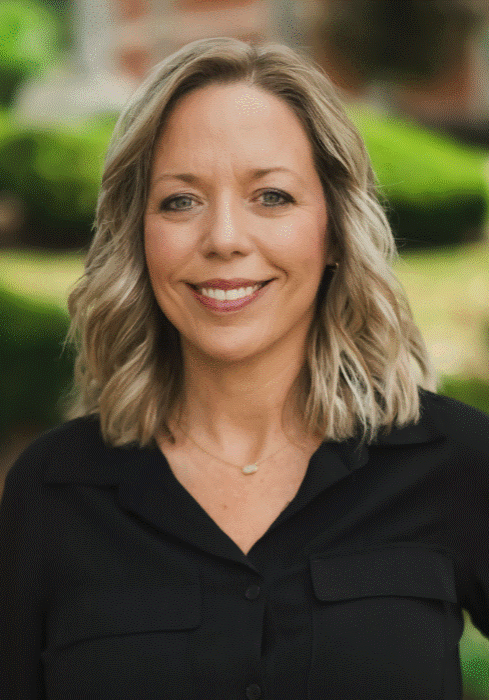
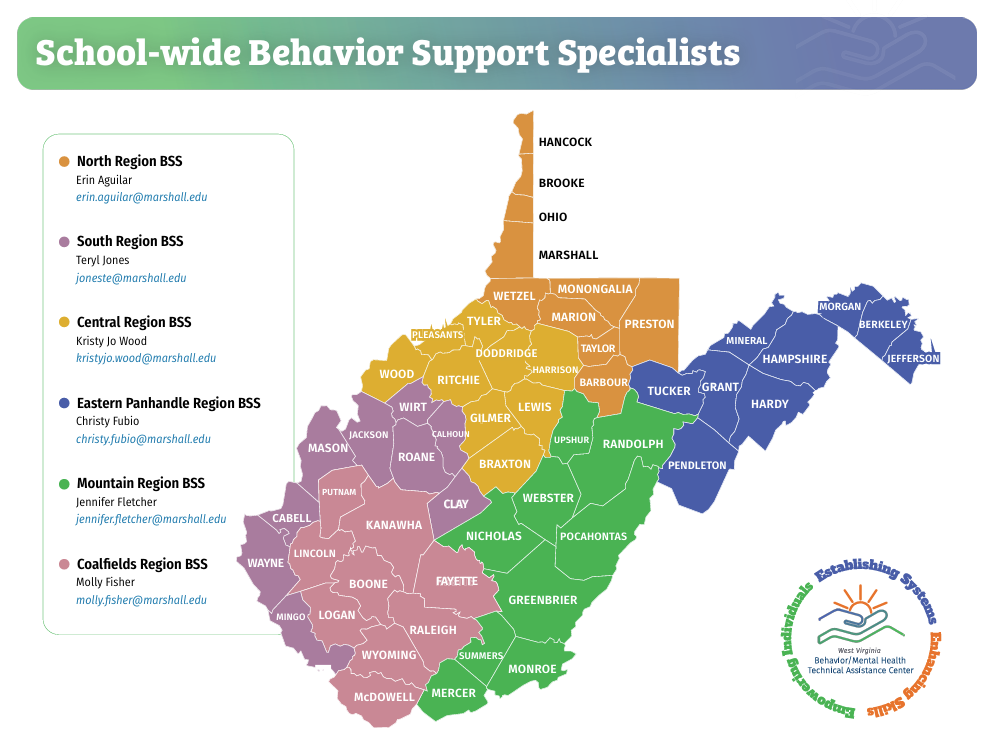
Collaboration
The West Virginia Department of Education and the West Virginia Autism Training Center at Marshall University are collaborating with local agencies (LEA'S) to implement Positive Behavioral Interventions and Supports.
Partners
WV PBIS Initiative partners include: The Center on PBIS, Don Kincaid (University of South Florida), the West Virginia Autism Training Center, County Board of Education personnel, Office of Special Education, and WVDE Office of Instructional Leadership.
Goals and Mission
The mission of PBIS is to support school teams via training and technical assistance as they take a proactive systems approach for creating and maintaining a safe and positive school environment.
The goal of PBIS is to makes schools effective and efficient and provide equitable learning environments for all students. Decreasing aggressive conduct and bullying can occur through improving culture and climate, building relationships with students and staff, changing academic outcomes and increasing prosocial behaviors.
Framework at a Glance
PBIS is aligned with Policy 4373: Expected Behavior in Safe and Supportive Schools, Policy 2419: Regulations for the Education of Students with Exceptionalities, and Policy 2322: Standards for High Quality Schools.
PBIS is not a curriculum but a framework for school administrators to organize their discipline procedures and policies.
To learn more about the framework and our trainings, please view our Training Model for Schools or check out our video: PBIS Overview.